Film & production
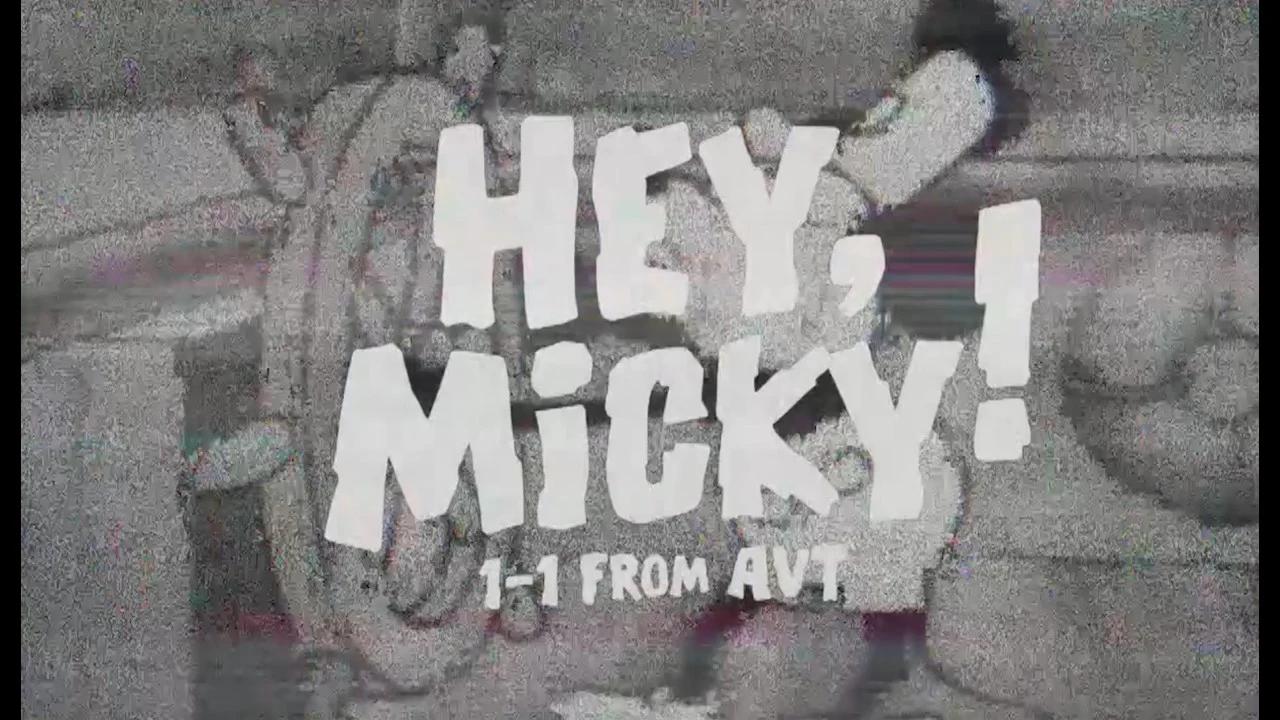
Hey micky!
A music video built across generated images, character rigs, virtual cameras, and simulated fire.
- Year
- 2025
- My role
- PM · AI video · Rigging · Unreal cinematics · Houdini FX
My part in the production
In this four-person Advanced Visual Effects project, I coordinated the production workflow and worked on AI video generation, character rigging, Unreal camera sequences, and Houdini fire effects. I also edited sound, the outro title, and the making-of film.
The shared shot breakdown connected image feedback, upscaling, color grading, and video generation. It let each teammate see which version was ready for the next stage without treating every handoff as a separate conversation.
Keeping a character consistent across shots
For the world transitions and outro, the first image-to-video tests changed the characters’ appearance more than we wanted. I moved those shots to a ComfyUI workflow using Seedance with both start and end frames, giving the generation a more explicit visual boundary.
This was a production choice for our footage, rather than a general comparison of video models. The useful question was whether a generated shot could connect to the next edit while preserving the character.
A generated skeleton is not yet an animation-ready rig
I used UniRig to rig six stylized character models. The characters going into Unity needed an additional conversion: names such as joint_1 and joint_2 did not match the expected Humanoid structure, causing reversed or unrecognized joints.
I renamed joints to match the Humanoid hierarchy and removed unnecessary terminal joints. This made the handoff from automatic rigging to retargeting explicit, instead of assuming that a generated skeleton would work unchanged in every application.
Making the fire fit the shot—and the deadline
A gas burner needed a thin, stable ring of flame. My initial Pyro tests produced a more turbulent effect, while detailed simulation and rendering were costly for the production schedule.
After studying a SideFX gas-stove example, I tested different voxel sizes and cache lengths. I then exported the simulation as VDB and finished the look in Unreal rather than keeping a separate Houdini rendering stage. In Unreal, I adjusted the smoke density, emission, and sequence timing to fit the shot.
What I learned
The main difficulty was making the outputs of different tools agree: a rig needed the right joint structure, generated shots needed stable visual anchors, and an effect needed to fit both the scene and the available rendering time.
I learned to define the next stage’s requirements before polishing the current one. A successful intermediate result mattered only when it could survive the next handoff.